Smartsalestore

BUY WITH CONFIDENCE

Before you buy,
get to know your next appliance.

Find tips for the appliance you are looking for.

GUIDE 01

Televisions

Think about what you will watch and where you will enjoy it.

  • Space and size

    Measure the available space and the distance from your seat. Do not choose only by screen size.

  • Picture and use

    Compare the picture for your everyday use: movies, sports or gaming. Check the model's resolution, brightness and refresh rate.

  • Apps and connections

    Confirm support for your favorite apps and the ports you need for consoles, audio equipment or set-top boxes.

  • Mounting and support

    For wall mounting, check the VESA pattern and the mount's weight limit. Confirm the warranty, appliance condition and technical support.

What screen size should you choose for your viewing distance?

Measure from your usual seat to the screen. The room's floor area alone does not determine the television size.
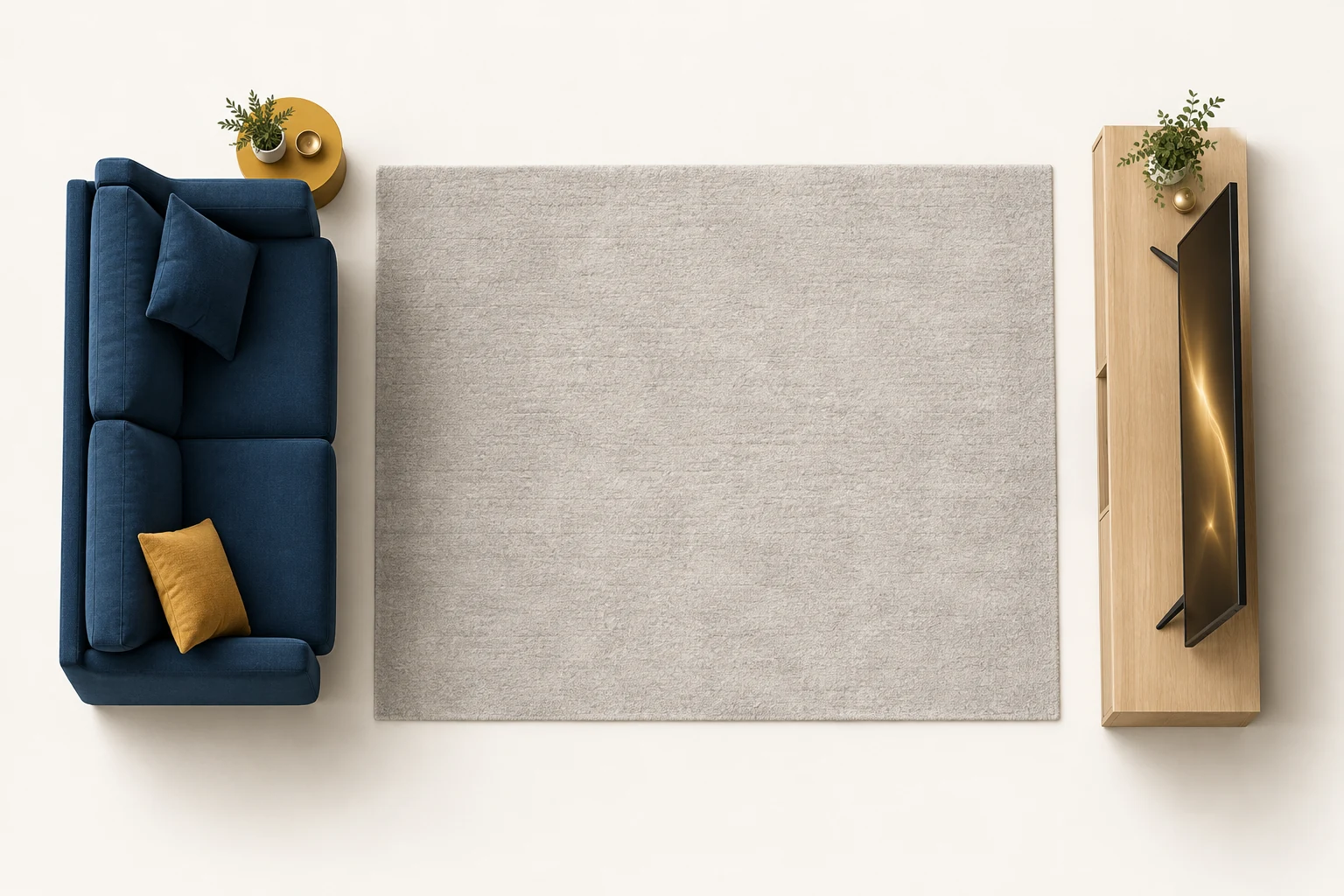
Top-view illustration of a sofa facing a television75″
Approx. 2.3 meters
Illustrative example: a 75-inch screen about 2.3 meters from the seat. Concept illustration, not to scale.
Samsung's approximate viewing distance reference
Approximate distanceScreen size
1.5 m50 inches
1.7 m55 inches
2.0 m65 inches
2.3 m75 inches
2.6 m85 inches
3.0 m98 inches

This is a reference for an immersive experience, not a mandatory rule. Adjust your choice to the resolution, content, available space and viewing comfort.

See Samsung's viewing distance guide

Looking for options for televisions?

Request a quote on WhatsApp
GUIDE 02

Air conditioners

Choose the right unit for the space you want to cool.

  • Suitable capacity

    Request a room assessment to determine the required BTU, taking dimensions, sunlight, occupancy and insulation into account.

  • Energy use and technology

    Compare the efficiency of models with similar capacity and ask whether inverter technology suits your use.

  • Complete installation

    Confirm voltage, unit placement, drainage and piping with the technician. Ask which materials are included in the price.

  • Maintenance and warranty

    Check access for filter cleaning and maintenance. Confirm warranty terms and service availability.

How many BTU should your air conditioner have?

Measure the room's length and width and multiply them. For example: 3 meters × 5 meters = 15 m².

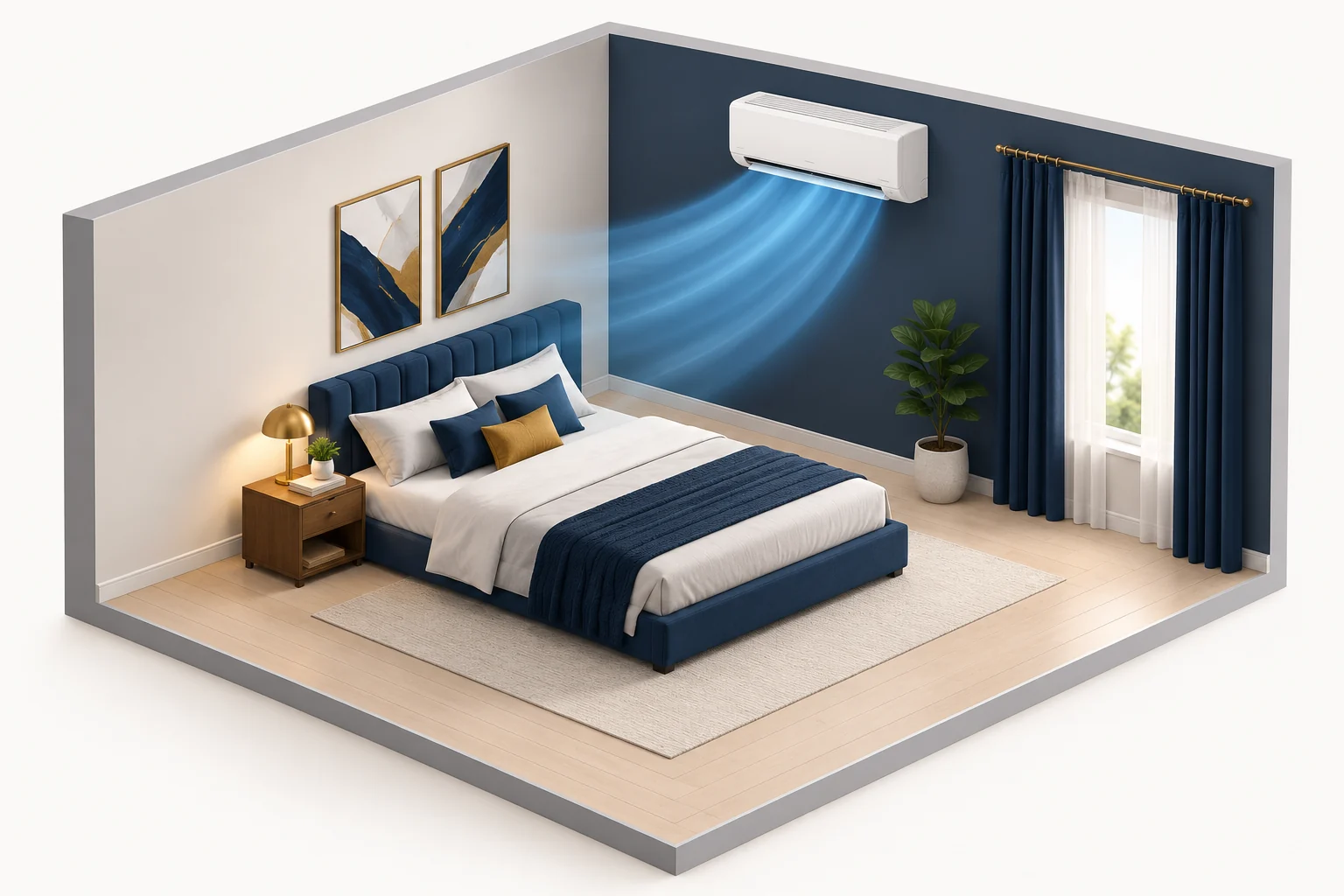
Illustration of a room with a split air conditioner
Example: a 3 × 5 meter room
It has 15 m². A 12K BTU unit may be an option to assess. Reference illustration, not to scale.
Approximate guide to start choosing
Air conditioner capacityApproximate room area
12K BTU15–20 m²
18K BTU22–30 m²
24K BTU30–40 m²
36K BTU45–60 m²

12K means 12,000 BTU; 18K means 18,000, and so on. The room areas in the table use LG's reference of 600–800 BTU per m².

Does your room get a lot of sun?

Top-floor rooms, hot roofs, large windows or many occupants may require more capacity. Have a technician assess the room before buying. Do not choose by floor area alone or buy the largest unit just in case.

How can you tell if it is really an inverter unit?

An inverter adjusts how hard its compressor works according to the room's cooling needs.

  1. Ask for the exact model and confirm “inverter compressor” or “variable speed” in the manufacturer's page or specifications. A sticker alone is not enough.
  2. 12K, 18K, 24K or 36K does not mean the unit is an inverter: those figures describe cooling capacity.
  3. To perform well, it needs suitable sizing, proper installation, clean filters and closed doors and windows.

Inverter technology does not guarantee a fixed saving. An inverter unit may still turn on and off under certain conditions.

Looking for options for air conditioners?

Request a quote on WhatsApp
ENERGY STAR guide (in English)

GUIDE 03

Washing machines

Look for a capacity and format that fit your routine.

  • Capacity for your laundry

    Consider how many people live at home, how often you wash and the bulky items you use.

  • Loading type and space

    Compare front and top loading. Measure the machine and leave space to open the door or lid according to the manual.

  • Connections and placement

    Confirm water supply, drainage, voltage and floor requirements before delivery.

  • Features and energy use

    Prioritize cycles you will use. Compare water and energy consumption; for washer-dryers, check both capacities separately.

How many kilograms do you need for laundry?

Kilograms describe the dry laundry capacity, not wet laundry or the machine's weight. Weigh a typical load before choosing.

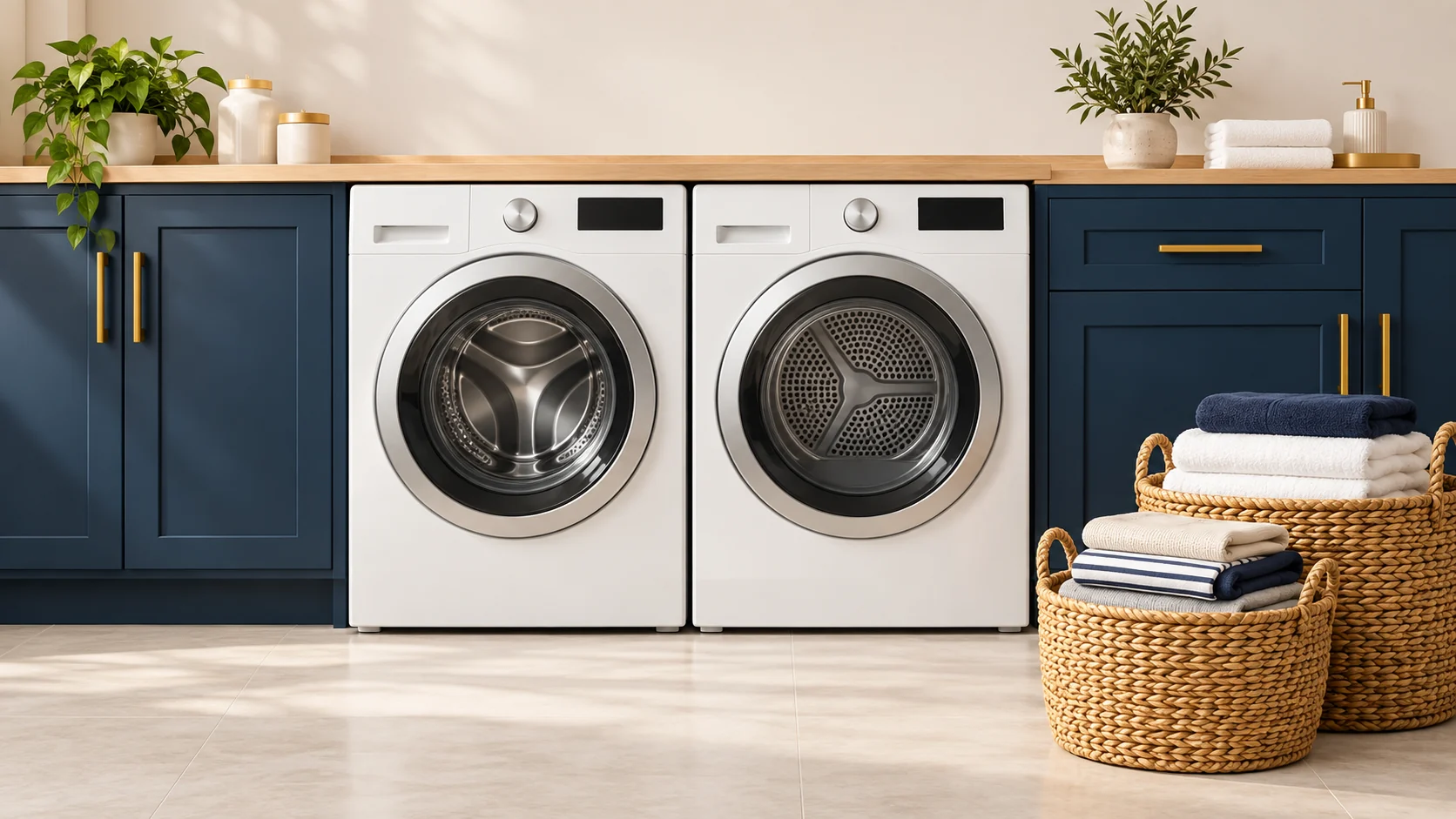
Illustration of a washer and dryer next to laundry baskets
Choose for your laundry volume, not just household size.
Washing several times a week may require less capacity per load than saving all laundry for one day. Illustrative appliances.
Starting points for comparing washing machines
Your routineCapacity to consider
Small loads and frequent washing6–8 kg
Family of 3–4 with everyday laundry9–10 kg
Large family or heavier loads11–13 kg
You accumulate a lot of laundry or wash large loads15 kg or more, depending on your actual load

This table is guidance, not a required capacity per family. Separate colors and fabrics when estimating loads. Quick, delicate or bedding cycles may have lower limits.

Do you wash comforters and bedspreads?

Weight is not the only consideration: bulky items need room. Check whether the model supports your comforter size and follow the bedding cycle limit. Laundry must move freely without being forced in.

What about the dryer?

Choose a capacity that fits the load you want to dry in one cycle. If you usually wash 8 kg of dry laundry, choose a dryer that accepts those 8 kg on the appropriate cycle. Do not calculate capacity using wet laundry weight.

Check whether it uses gas or electricity, its voltage, and whether it needs an air outlet or drainage. Confirm your space is ready before buying.

For a combined washer-dryer

Read both figures: one is for washing and the other for drying. Drying capacity may be lower.

Example: 9 kg washing / 6 kg drying

It can wash up to 9 kg on a suitable cycle, but to wash and dry without removing laundry you must follow the 6 kg limit. Larger wash loads require separate drying batches.

Before paying, confirm cycle capacities, dimensions, door or lid opening, connections, consumption and warranty.

Looking for options for washing machines?

Request a quote on WhatsApp
LG capacity guide

GUIDE 04

Refrigerators

Organize your food while keeping space and energy use in mind.

  • Dimensions and access

    Measure the space, doorways and access corridors. Allow for door opening and manufacturer-required ventilation.

  • Capacity and layout

    Choose according to your shopping habits and household size. Check shelves, drawers and freezer space.

  • Energy consumption

    Compare annual kWh consumption across similarly sized models. Costs on foreign energy labels may differ from your local electricity bill.

  • Features and maintenance

    For water dispensers or ice makers, confirm the water connection and filter costs. Ask about warranties and spare parts.

How many cubic feet should your refrigerator have?

When a refrigerator says “18 feet,” it means 18 cubic feet of interior capacity, not height. Think about how much food you store and how often you shop.

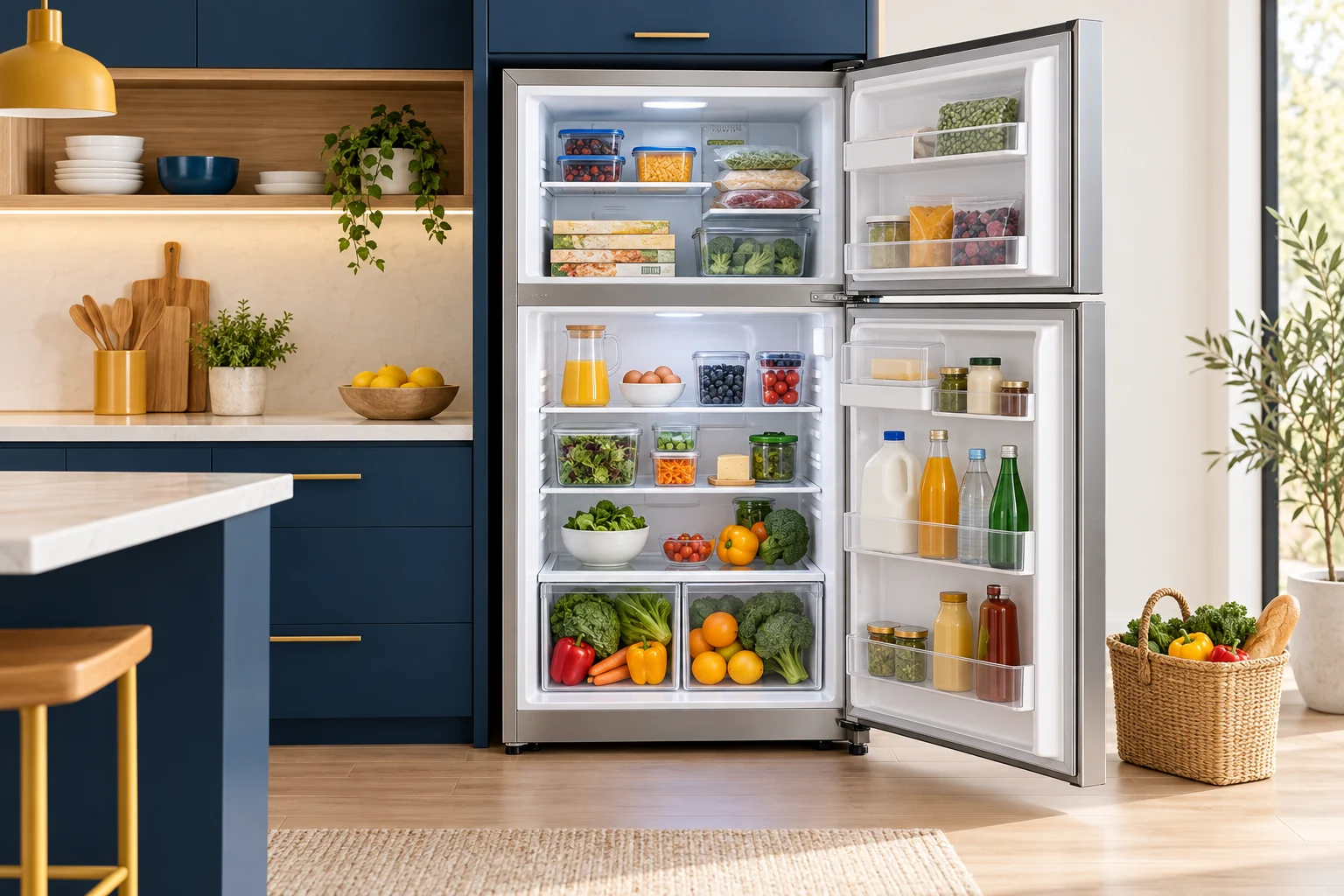
Illustration of an open refrigerator with organized food
Look for usable space for your groceries.
Check refrigerator and freezer compartments separately. Illustrative appliance.
Capacity starting points for comparison
Your household and shopping habitsApproximate capacity
One person, small and frequent grocery trips7–11 ft³
≈ 200–310 liters
1–2 people, everyday use12–14 ft³
≈ 340–400 liters
3–4 people, groceries for several days18–21 ft³
≈ 510–595 liters
Large family or substantial grocery shopping22 ft³ or more
≈ 620 liters or more

These starting points are adapted from LG's guidance, not mandatory sizes by household count. One cubic foot is about 28.3 liters. Your habits may require more or less space.

Do you shop weekly, every two weeks or in bulk?

If you store many groceries, cook for several days or often have guests, consider more capacity. Smaller, frequent grocery trips may suit a smaller refrigerator.

Do not look only at total cubic feet

Two refrigerators with the same capacity may have different layouts. Check freezer space and whether your pots, containers, bottles and trays fit. Prioritize freezer space if you freeze a lot of food.

Confirm it fits and the doors can open

Measure the space's width, height and depth, plus entry doors and corridors. Leave the ventilation clearances in the manual and room to open doors and remove drawers.

Compare consumption and the total cost

Compare energy labels across similarly sized models. Ask about delivery, warranty and technical support. For dispensers or ice makers, confirm water supply requirements and filter costs.

Use your current refrigerator as a reference.

Do you always run out of room or have too much unused space? Check your model's capacity and use that experience for your next choice. Do not calculate interior capacity from exterior dimensions.

Check each compartment's usable capacity before deciding. Keep air outlets clear when organizing food and follow the appliance manual.

Capacity reference: LG (in English)

Looking for options for refrigerators?

Request a quote on WhatsApp
ENERGY STAR guide (in English)

GUIDE 05

Stoves

Choose for your kitchen, connections and cooking habits.

  • Gas, electric or induction

    Confirm which energy source your space supports. Check gas supply compatibility for gas models, and cookware compatibility for induction.

  • Dimensions and format

    Measure width, height and depth, and check installation clearances. Decide whether you need a freestanding stove or a built-in cooktop.

  • Burners and oven

    Compare burner layout, oven capacity and features you will actually use.

  • Installation and support

    Have qualified personnel install the appliance. Ask about connections, ventilation, warranty and spare parts before paying.

What stove size do you need?

A stove has three different dimensions to consider: kitchen width, number of burners and oven space. Choose for your cookware and cooking habits, not just household size.

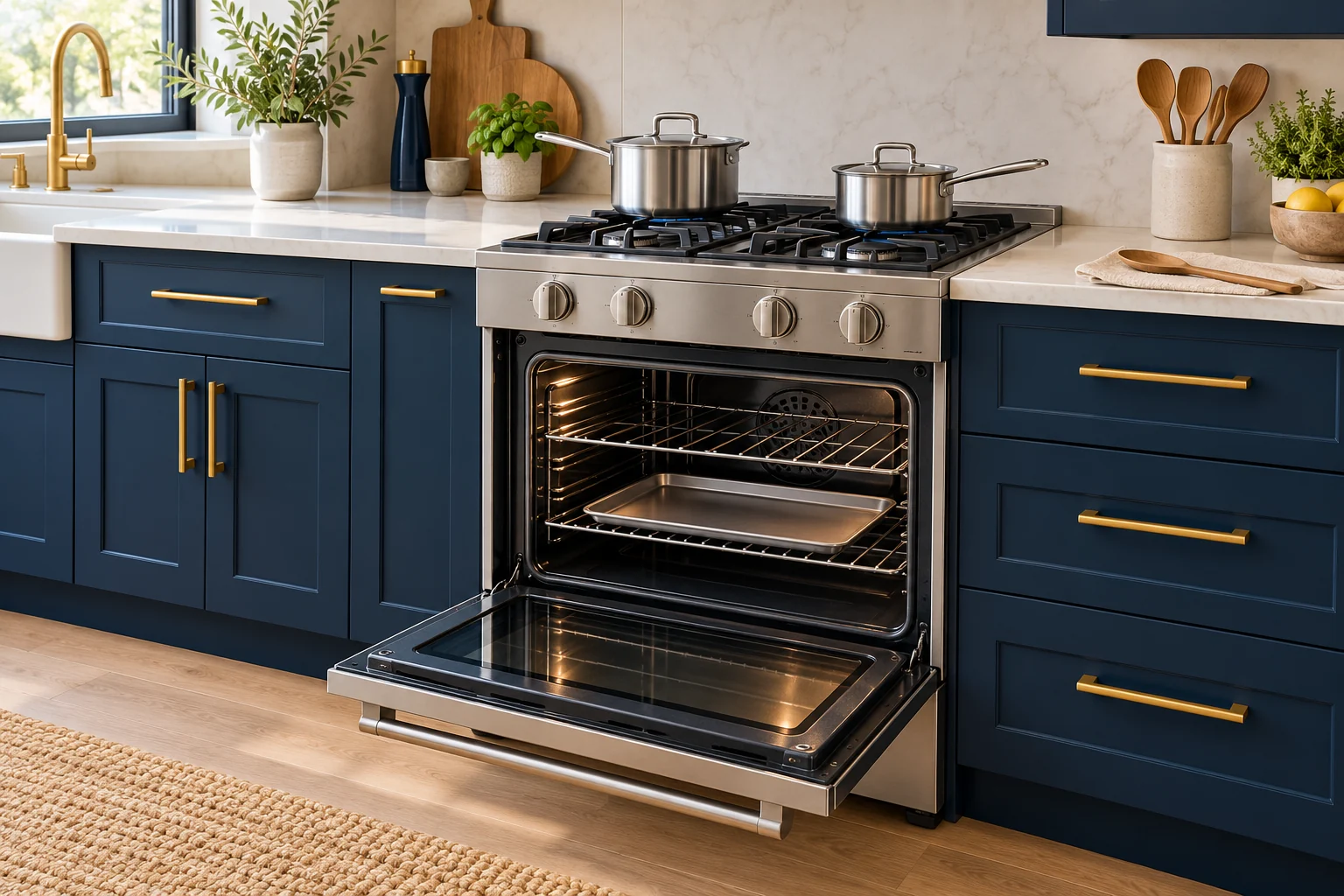
Illustration of a stove with pots and an open oven
Think about how many pots you use at once.
Check whether your trays fit in the oven too. Illustrative appliance.
Width guide for initial comparisons
Stove widthWhen to consider it
20–24 inches
≈ 51–61 cm
Small kitchens or limited space.
30 inches
≈ 76 cm
Common format for an everyday kitchen.
36 inches
≈ 91 cm
When you need a wider cooking surface and your kitchen can accommodate it.

Inches describe width, not oven capacity. Burner count and interior space vary by model. Confirm exact dimensions and installation clearances in the manual.

Four, five or six burners?

Four may be enough if you use few pots at once. Consider five or six for several dishes at a time. Check whether large pots fit together without interference: more burners do not always mean more usable space.

What oven capacity should you look for?

Capacity is listed in liters or cubic feet. Compare interior dimensions and rack sizes with your trays, pans and dishes. One cubic foot is about 28.3 liters.

For several dishes or large items, look for room with the manufacturer's recommended clearances. If you rarely use the oven, prioritize the cooktop and available space.

Gas, electric or induction

Confirm what your home supports. For gas, check LPG or natural gas compatibility and installation requirements. For electric or induction models, check voltage and electrical requirements. Induction also requires compatible cookware.

Do not choose by power alone

Gas burner BTU describes power, not food capacity. Choose a mix of burners for gentle heat and higher-temperature cooking based on your routine.

Measure and check connections before buying.

Check width, height, depth, kitchen access and oven door clearance. For built-in appliances, confirm the countertop cutout. Arrange installation by qualified personnel according to the manual.

Ask about warranty, parts, delivery and installation costs. Also check the model's ventilation or extraction requirements.

Looking for options for stoves?

Request a quote on WhatsApp
Samsung guide (in English)

We help you find your appliance. Ask Smartsalestore about options, availability and prices.

Get an appliance quote on WhatsApp

Before deciding, confirm the full price, appliance condition and warranty in writing. Check each model's manual for installation requirements.